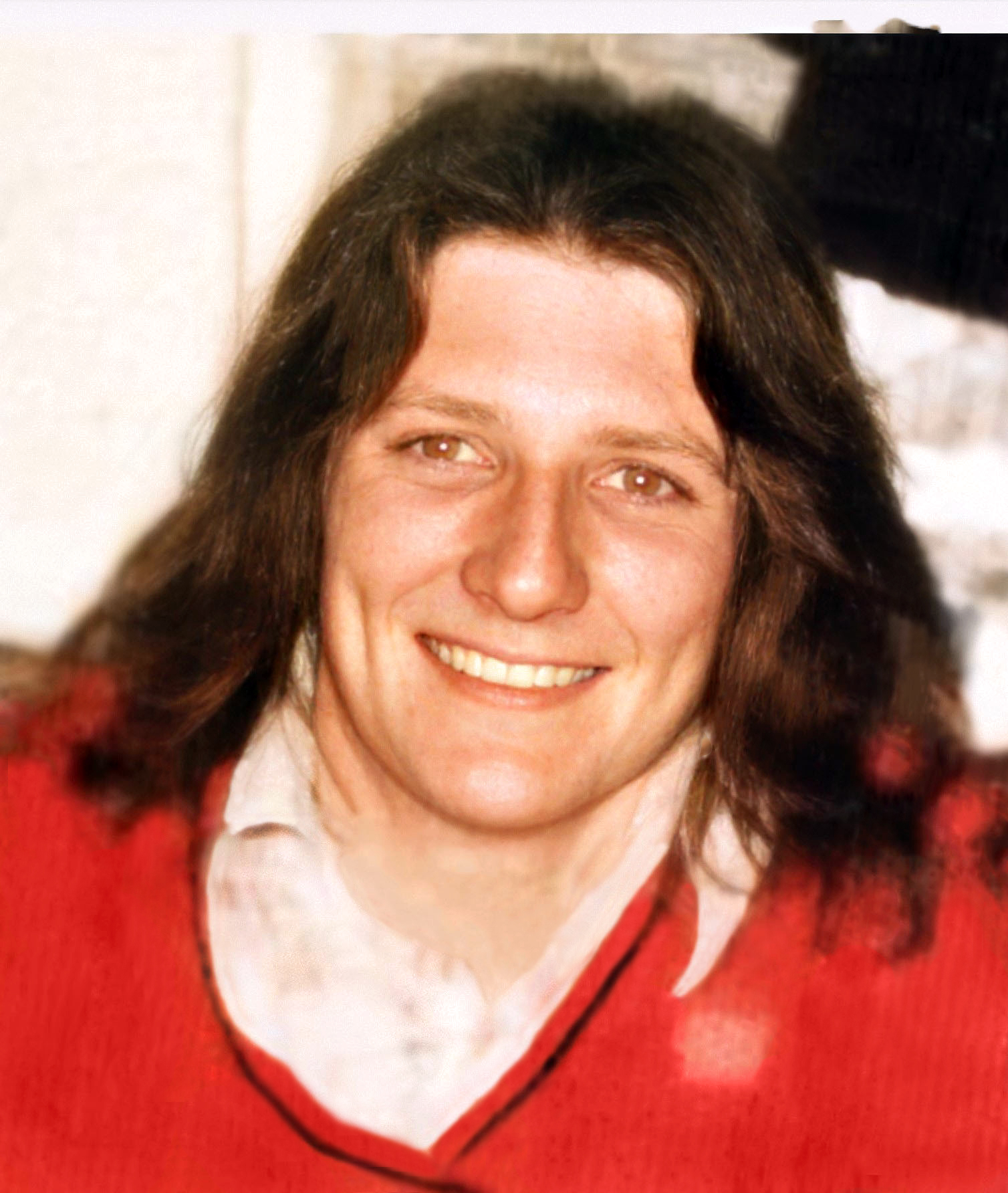
A new, experimental play about Bobby Sands, Crux by Jesi Bender, was staged in New York at The Tank in August and the script will be published this November by Sagging Meniscus Press.
Here, Gina Tron, founder of Indie-Outie, a public relations organisation that promotes underrepresented voices, especially independent authors and poets, gives the background to the play and its production.
-oo0oo-
Set in his prison cell between March and May, the character of Bobby is visited by other real-life revolutionaries like Bayard Rustin and Lucy Parsons who debate how best to achieve social change while attempting to either support or dissuade Bobby from the strike.

Jesi Bender
Bender, an American with Irish Catholic family from Galway, began researching Bobby and the struggle for independence after a chance viewing some years ago of Brendan Byrne’s documentary 66 Day. She says that she ‘was struck by the personal nature of the strikers’ sacrifices and the horror of starvation.’ Her viewing occurred during the turmoil of Trump’s first presidency, and she had been contemplating revolution and the best route to bring about change. The 1981 strike had her contemplating the role of extreme personal sacrifice for the first time.
Crux took several years to research and write. Bender was fortunate to receive critical feedback from Laurence McKeown, a playwright and a survivor of the 1981 hunger strike.
Bender also incorporated research on other historical figures, including Irish physicist John Stewart Bell, who grew up in Belfast and was one of the most influential quantum physicists of the twentieth century. Bell’s theories about how objects can instantly influence each other despite large distances was utilized to make the audience question whether or not the other people that visit Bobby are real, imagined, quantum manifestations, metaphors, ghosts, or hunger-induced hallucinations. Furthermore, a ‘Web of Connection’ appears above each character and illustrates all of their relationships, past/present/future, to emphasize how each person’s acts intersect far beyond them.

Haunted stage beneath ghostly faces
The first staged production was part of LimeFest, a festival that promotes experimental work by women and gender non-conforming individuals. It featured two northern Irish actors: Seamus O’Farrell in a dual role of The Priest and John Stewart Bell; and Lee Jackson in the role of the triune MP (Síle de Valera, John O’Connell, and Neil Blaney). Richard Thomas Robbins played the part of Bobby Sands. In Crux, Bobby meets a group of real historical activists, figures who played important roles in social and political struggles but aren’t widely recognized in the US. He encounters Haia Lifsit, an anarchist thinker; Bayard Rustin, a key strategist behind the US Civil Rights Movement and advocate of nonviolence; Jatin Das, an Indian independence activist who died during a hunger strike; Marion Wallace-Dunlop, one of the first suffragettes to use hunger strikes as protest; and Lucy Parsons, a radical labor leader and outspoken critic of inequality.
Reviewers called the production ‘powerful’ and that it ‘embraced an avant-garde polyvocality that at times evokes Antonin Artaud and at others Caryl Churchill.’
Crux is about the legacy of revolutionary thought and seeks to find connection in the on-going oppression of the poor and the working class. Irish history is rife with examples of sacrifice, intellectual approaches to revolutionary praxis, and perseverance. The legacy of Bobby Sands and the 1981 hunger strike continues to resonate with audiences and Crux contemplates what this legacy continues to teach us today.