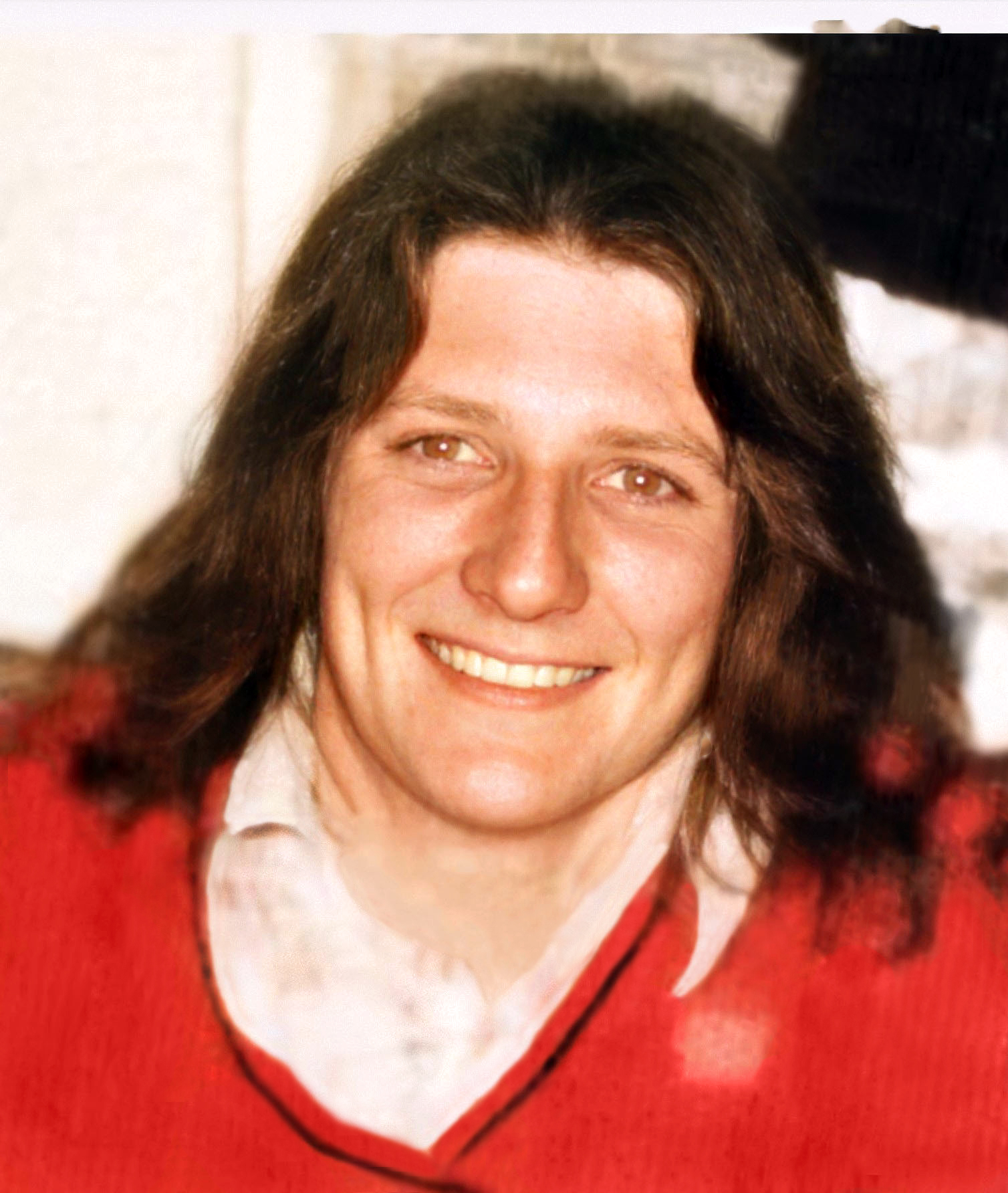
The national commemoration of the 1981 hunger strike was this year held in Ballina, County Mayo. Thousands took part in the march, with many onlookers and visitors applauding those remembering the hunger strikers of 1981 and the three hunger strikers from Mayo who died in the 1940s and 1970s. George Stagg, whose brother Frank died on hunger strike in Wakefield Prison in February 1976, spoke about that period, the hijacking of Frank’s remains by the Free State government, and the suffering the family endured.


Guest speaker – Michelle O’Neill
The event was chaired by Rose Conway-Walsh TD and the main speaker was Leas-Uachtarán Shinn Féin Michelle O’Neill, First Minister in the North.
She said: ‘This year marks the 45th anniversary of the 1981 Hunger Strike, one of the most significant events in modern Irish history.
An trom. Am ar leith. Am suntasach.
It was an event that helped shape our struggle and for many people here today those months in 1981 defined and inspired a life-long commitment to the cause of Irish freedom and unity.
Forty-five years ago, ten brave Irish republicans laid down their lives in the H-Blocks of Long Kesh.
Bobby Sands,Francis Hughes, Raymond McCreesh, Patsy O’Hara, Joe McDonnell, Martin Hurson, Kevin Lynch, Kieran Doherty, Thomas McElwee, Mickey Devine.
Today we remember them with love, gratitude and immense respect.
We remember also their families, whose immense pain and suffering did not end with the funerals, but who have carried that loss with extraordinary courage and dignity ever since.
Tá sibh inár gcroíthe.
Only a few weeks ago we learned the sad news of the passing of Brendan Hurson, brother of Martin Hurson. Brendan was a gentleman, a proud brother, who kept the memory of Martin’s sacrifice alive after all these years. Fear uasal a bhí ann.
I want, on behalf of all of us here today, to send our deepest sympathy and solidarity to the Hurson family at the immense loss of Brendan.
Here in Mayo, we also pay special tribute to three of this county’s own sons – Michael Gaughan, Frank Stagg and Seán ‘Jack’ McNeela.
The deaths of Michael Gaughan in 1974 and Frank Stagg 50 years ago in 1976 came before the H-Block Hunger Strike.
Their courage and steadfast commitment inspired a new generation of republicans who would themselves face extraordinary challenges.
Spreag siad ansin muid. Spreagann siad fós muid.
Jack McNeela died on hunger strike in 1940, in an earlier chapter of Ireland’s long struggle for independence.
The cause for which he gave his life, and the method of resistance he was forced to choose, were the same then as in 1981.
Today we honour all of them with equal pride, admiration and respect.
The 1981 hunger strike was about much more than prison conditions.
It was about dignity.
It was about political principle.
It was about resisting the attempt to criminalise and to delegitimise the struggle of the Irish people for freedom and justice.
Republican prisoners rejected all attempts by Britain and its apologists to claim they were not political prisoners.
Criminalisation was a British political strategy designed to undermine the Irish republican struggle by targeting isolated, vulnerable and often very young prisoners, locking them up in isolation in a new part of the notorious Long Kesh prison camp.
The name of that new prison complex, the H-Blocks of Long Kesh would soon become known across the world as a place of terrible brutality and suffering.
The H-Blocks were well named – as a protest chant of the time pointed out – it was ‘H’ for Hunger and ‘H’ for Hell.
The prison struggle was not fought by men alone.
In Armagh Women’s Prison, republican women resisted criminalisation with extraordinary courage.
They endured the 1980 Hunger Strike, the no-wash protest, strip searching, and immense hardship, standing shoulder to shoulder with the prisoners in the H-Blocks in defence of the republican struggle, of their political status and their human dignity.
The contribution of the Armagh Women was resolute and indispensable.
History has vindicated the stand of the Irish republican political prisoners in the H-Blocks, in Armagh and in countless other prisons across the globe and across decades and centuries of resistance – these prisoners were part of an unbroken chain of defiance and resistance to British rule.
The British Government could imprison men and women, but they could never imprison the ideals for which they stood.
As Bobby Sands wrote: ‘They have nothing in their whole imperial arsenal that can break the spirit of one Irishman who doesn’t want to be broken.’
Their spirit and courage inspired millions and continues to inspire people across Ireland and across the world.’